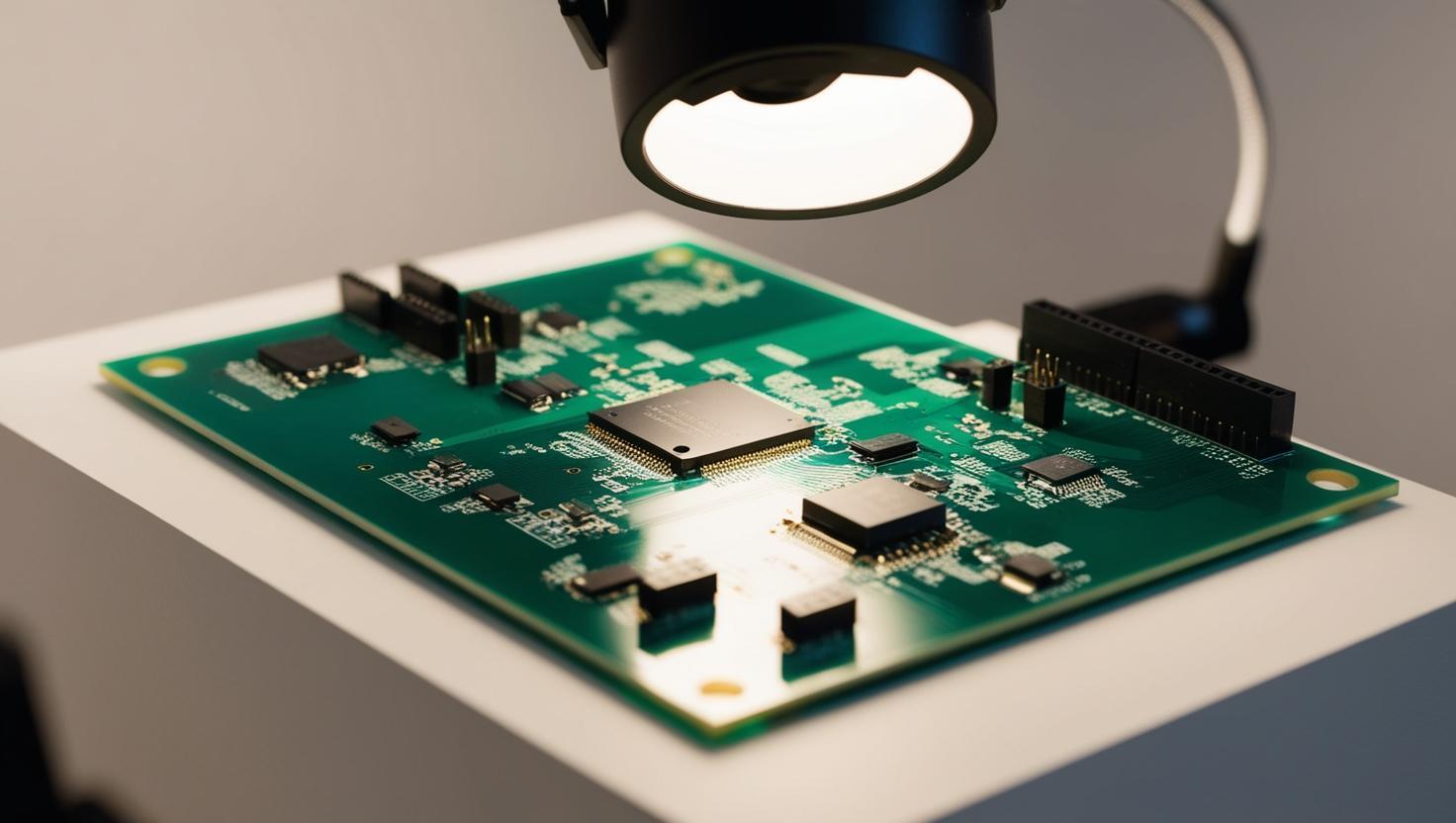
In today’s highly competitive electronics industry, having a reliable partner for printed circuit board (PCB) fabrication is crucial. SQPCB.com (Shenzhen Shuoqiang Electronics Co., Ltd.) has built a reputation as a go-to source for engineers, startups, and large OEMs seeking high quality, fast turnaround, and technical flexibility. Here’s a detailed look at what makes SQPCB.com stand out, and what you should consider when choosing a PCB manufacturer.
Who Is SQPCB?
-
Company Base & Experience: SQPCB is based in Shenzhen, China. It was founded in 2011.
-
Certifications:
...
Read more »
|
A PCB prototype is an initial version of a printed circuit board created to test and validate a design before mass production. It allows engineers and designers to evaluate the functionality, performance, and reliability of the circuit, ensuring that the design meets the required specifications. Prototyping is a critical step in the PCB development process, helping to identify and correct design flaws, optimize layouts, and test components under real-world conditions.
PCB prototyping is essential for several reasons:
-
Design Validation – Ensures that the circuit functions as intended and meets all technical specifications.
-
Fault Detection – Helps identify potential design flaws or errors before full-scale production.
-
P
...
Read more »
|
Printed Circuit Boards (PCBs) are the foundation of modern electronic devices, providing the necessary connectivity and support for electrical components. Whether for consumer electronics, industrial equipment, or specialized applications, PCBs play a crucial role in ensuring functionality and reliability.
Understanding PCB Boards
A PCB board consists of multiple layers of conductive and insulating materials designed to route electrical signals efficiently. They come in various types, including single-layer, double-layer, and multilayer PCBs, each catering to different complexity levels and application requirements.
Latest PCB Board Prices
The price of PCB boards varies based on factors such as material, layer count, size, and manufacturing complexity. Below is a general price range for different PCB types:
|
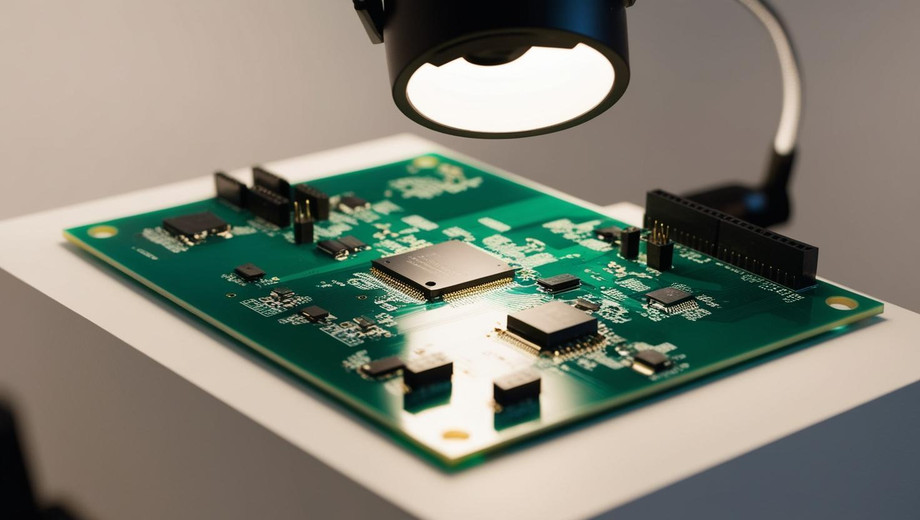
In the ever-evolving electronics industry, customized PCB boards play a crucial role in ensuring optimal performance and reliability. Whether for industrial, consumer, or automotive applications, custom PCBs provide tailored solutions to meet specific design requirements. At SQPCB.com, we specialize in delivering high-quality, precision-engineered PCBs to cater to various industry needs.
Why Choose Customized PCB Boards?
1. Tailored to Unique Specifications
Standard PCBs may not always meet
...
Read more »
|
In the aerospace and military industries, precision, reliability, and durability are of utmost importance. Printed Circuit Boards (PCBs) serve as the backbone of critical electronic systems, ensuring seamless operation in extreme environments. These specialized PCBs must adhere to stringent regulatory standards and deliver superior performance in mission-critical applications.
Essential Features of Aerospace and Military PCBs
1. Unmatched Reliability and Durability
PCBs in aerospace and defense applications must withstand extreme temperatures, high-frequency vibrations, radiation, and exposure to corrosive elements. They are constructed using high-reliability materials and cutting-edge manufacturing processes to ensure long-lasting performance.
2. Advanced Materials and Protective Coatings
The use of high-temperature laminates, metal-core
...
Read more »
|
Printed Circuit Boards (PCBs) serve as the backbone of modern electronics, enabling efficient connectivity and functionality across various industries. From consumer electronics to aerospace, PCBs are essential for the reliable operation of countless devices. Below, we explore how different industries leverage PCB technology to power their innovations.
1. Consumer Electronics
Consumer electronics heavily rely on PCBs to function. Devices such as smartphones, tablets, laptops, televisions, and smartwatches incorporate PCBs to facilitate compact, high-performance circuits. The demand for miniaturized and flexible PCBs is increasing as manufacturers strive for smaller, more powerful devices.
2. Automotive Industry
Modern vehicles incorporate advanced electronic systems that require durable and high-performance PCBs. Applications include:
|
Printed Circuit Boards (PCBs) are the backbone of modern electronic devices, serving as the foundation that connects and supports electronic components. They are an essential element in electronics, ranging from consumer gadgets to industrial machinery, medical devices, and automotive systems. PCBs are highly versatile, enabling compact, reliable, and efficient electronic designs.
What is a Printed Circuit Board (PCB)?
A PCB is a flat board made from non-conductive material (typically fiberglass, epoxy resin, or a composite material) with conductive pathways etched or printed on its surface. These pathways, or "traces," act as electrical highways, linking components such as resistors, capacitors, and integrated circuits. PCBs simplify the design, manufacturing, and maintenance of electronic devices by organizing components in a systematic and efficient layout.
|
In the fast-paced world of electronics manufacturing, prototype printed circuit boards (PCBs) play a pivotal role in turning innovative ideas into tangible products. A prototype PCB is a preliminary version of a circuit board created to test the functionality and design before mass production. Understanding their importance and applications is essential for anyone venturing into electronic product development.

What Are Prototype PCBs?
Prototype PCBs are small-scale test versions of a final circuit design. They allow engineers and designers to evaluate the performance of an electronic circuit, identify errors, and make necessary adjustments. These boards are crucial for minimizing risks and ensuring the reliability of the final product.
|
Printed Circuit Boards (PCBs) have revolutionized the electronics industry by replacing earlier methods of circuit construction such as wire wrap and point-to-point wiring, both of which were once popular but have now become rarely used due to the growing demand for efficiency, precision, and automation.
Wire Wrap and Point-to-Point Construction: A Historical Overview
In the early days of electronic devices, wire wrap and point-to-point construction were the dominant methods for assembling circuits. Wire wrap involved wrapping a thin wire around a post at each connection point, while point-to-point wiring involved manually connecting components with individual wires. Both methods were labor-intensive and prone to errors, making them less suitable for complex circuits.
While these techniques worked for early applications, they struggled to keep pace with the rap
...
Read more »
|
China has established itself as a global leader in electronics manufacturing, with Printed Circuit Boards (PCBs) being one of the most critical components in the industry. As demand for high-quality, reliable PCBs continues to grow, so does the need to identify the best manufacturers in the market. Whether you’re a startup looking for a prototype or a large-scale producer seeking mass production, selecting the right PCB manufacturer can make all the difference. In this blog, we’ll explore some of the best PCB manufacturers in China, focusing on their strengths, innovations, and what sets them apart from the competition.
 ...
Read more »
| |